
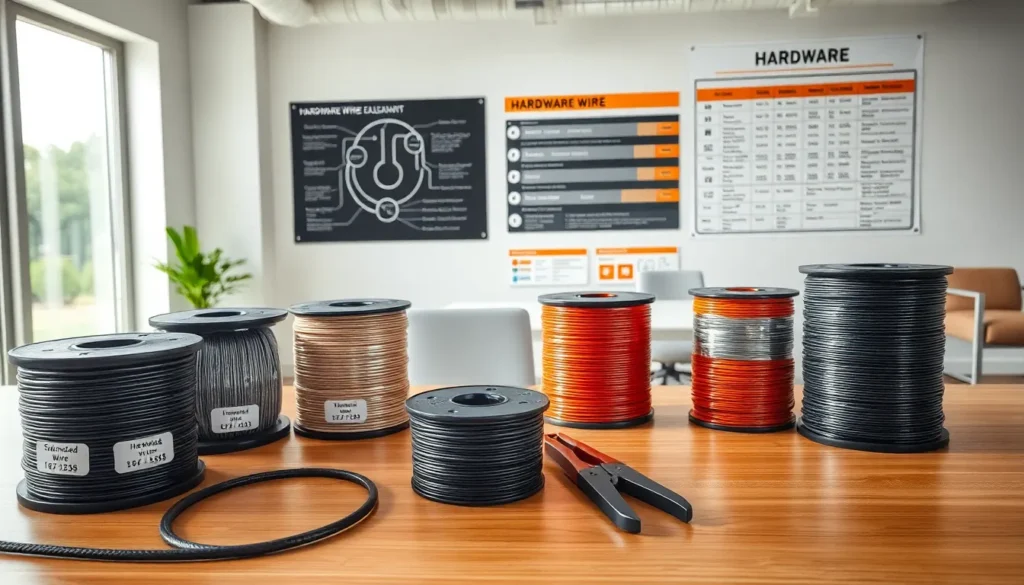
Let’s face it: when it comes to hardware wire, most people think it’s just a tangle of metal mess waiting to trip you up. But hold on. Hardware wire is way more interesting than that. Picture it as the unsung hero of your DIY projects, lighting up your home and keeping everything connected. It’s the secret sauce behind your gadgets’ successful operation, and yes, it deserves a moment in the spotlight. So grab your wire cutters and let’s jump into the world of hardware wire.
What Is Hardware Wire?

Hardware wire refers to a variety of wire products used in construction, electrical, and general hardware applications. These wires are typically made from metal such as copper or aluminum and are designed to provide conductivity and support in various builds. Think of it as the backbone of many working systems. From securing structural elements in buildings to powering your favorite electrical devices, hardware wire plays a crucial role in everyday functionality. Plus, it comes in different forms, each tailored to meet specific needs.
Types of Hardware Wire
When it comes to hardware wire, there’s no one-size-fits-all option. Here are some of the most common types you might encounter:
1. Electrical Wire
Electrical wire is essential for transmitting electrical energy. It typically features insulation to protect against short circuits and other hazards. Common insulation types include PVC and rubber.
2. Steel Wire
Often used for heavy-duty applications, steel wire is known for its strength and durability. It’s commonly found in construction and manufacturing contexts.
3. Stranded Wire
This type consists of multiple smaller wires twisted together. This design offers flexibility, making it perfect for applications requiring bending and movement.
4. Solid Wire
Unlike stranded wire, solid wire has a single core. It’s less flexible, making it great for stationary installations where flexibility isn’t required.
Each type has its specific use cases, making it important to choose the right kind for your project.
Applications of Hardware Wire
The applications of hardware wire are as diverse as the types themselves. Here are just a few areas where hardware wire shines:
1. Construction
In buildings and infrastructure, hardware wire supports everything from structural framing to reinforcing concrete. It helps connect different elements securely.
2. Electrical Systems
Here, wire facilitates the flow of electricity through homes and businesses. Without it, your fridge wouldn’t keep your food cold. Imagine that.
3. Crafts and DIY Projects
Craft lovers often use hardware wire for creating stunning art pieces and home décor. It can turn simple ideas into complex designs with amazing results.
4. Automotive and Aerospace
Within vehicles and aircraft, hardware wire plays a role in critical systems like ignition and avionics. Safety depends on reliable wiring in these high-stakes environments.
Factors to Consider When Choosing Hardware Wire
Selecting the right hardware wire isn’t just a matter of grabbing whatever is closest. Several factors can impact the efficacy of your choice:
1. Material
Consider what the wire is made from. Copper offers excellent conductivity, while aluminum is lightweight and cost-effective. Each offers different pros and cons based on your project’s requirements.
2. Gauge
Wire gauge measures its diameter, impacting its current-carrying capacity. Thicker wires can handle more electricity, so be sure to select the size suited for your needs.
3. Insulation Type
If you’re working with electrical applications, the insulation type is crucial. Some insulation materials can withstand higher temperatures, while others focus on flexibility.
4. Environment
Will the wire be exposed to moisture or extreme temperatures? Select a wire appropriately designed for the environment to ensure longevity.
Installation and Maintenance Tips for Hardware Wire
Installing and maintaining hardware wire can make a significant difference in performance and safety. Here are some handy tips:
1. Read the Instructions
Before getting started, it pays to read any installation guides. Following manufacturer recommendations can save a ton of headaches down the line.
2. Use Proper Tools
Make sure to have the correct tools on hand. Wire cutters, strippers, and crimpers will make the job easier and produce better results.
3. Check Connections Regularly
With time, loose connections can develop. Regularly inspect your wiring to ensure everything remains tight and functional.
4. Avoid Overloading Circuits
In electrical applications, never exceed the recommended electrical load for your wire gauge. Overloading can lead to overheating and potential hazards.


