
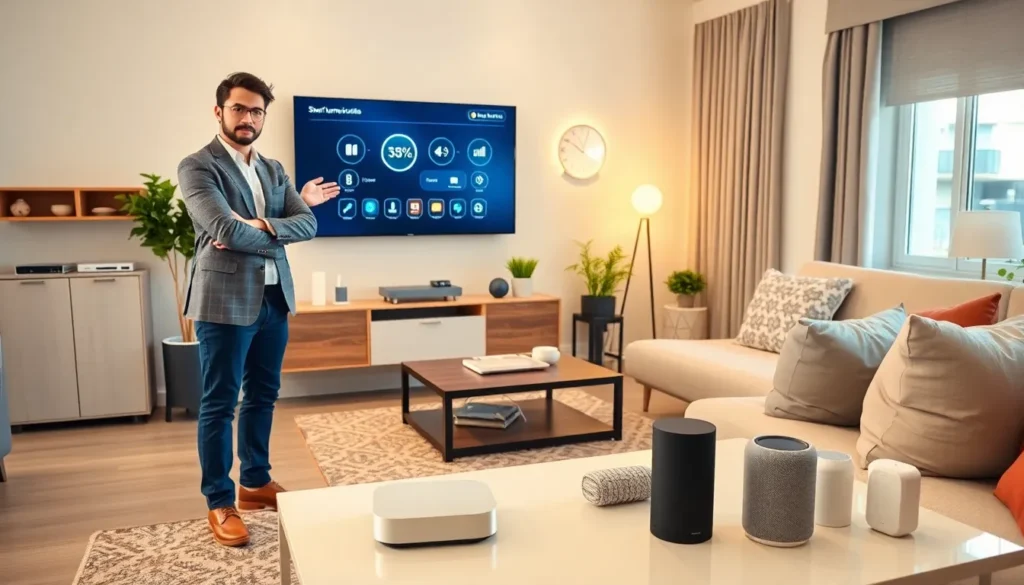
In a world where your coffee maker can talk to your dishwasher and your television is smarter than your average bear, navigating the realm of consumer electronics control can feel like a high-stakes game of Whack-a-Mole. Who needs all these gadgets? Well, let’s face it, nobody wants to wrestle with buttons, remote controls, and tangled wires like it’s a 1990s horror movie. So, why not get with the program? This comprehensive guide aims to simplify the control of your devices and help you manage your electronic ecosystem like a pro.
Understanding Consumer Electronics Control
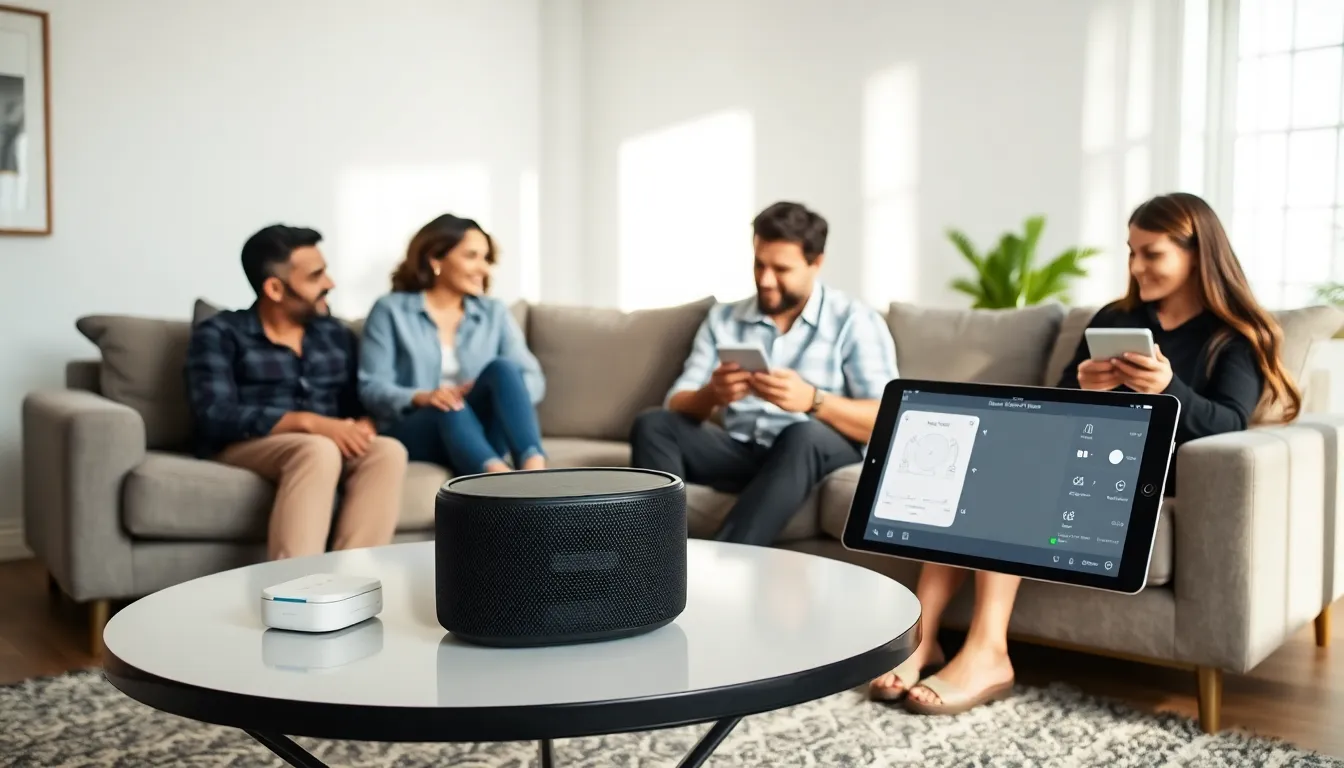
Consumer electronics control refers to the systems and technologies that manage a range of electronic devices in homes, offices, and beyond. This domain spans an impressive array of gadgets, from smart speakers to home theaters and lighting systems. Understanding how these devices communicate and operate together isn’t just for tech enthusiasts: it’s crucial for anyone who wishes to optimize their tech setup.
At its core, consumer electronics control encompasses three main components: the devices themselves, the control interface (like apps or remote controls), and the communication protocols that allow devices to interact. When properly configured, these elements work harmoniously to create a seamless user experience. Imagine dimming your lights, playing your favorite song, and setting the thermostat, all at the same time, using just your voice or a single app. It sounds fantastic, right? That’s the magic of effective consumer electronics control.
The Importance of Consumer Electronics Control
In an age where convenience is king, consumer electronics control plays a pivotal role in enhancing everyday life. Imagine coming home after a long day and having your home prepared for you, all because your automation system recognizes when you’re approaching.
But it’s not just about the comforts of home. Effective control systems can lead to significant energy savings as well. Smart thermostats learn your habits, ensuring that you only use energy when necessary, while smart lighting systems reduce energy consumption by adjusting brightness based on the time of day. This isn’t just eco-friendly: it can also save you money in the long run.
Types of Consumer Electronics Control Systems
There are several types of control systems available in today’s market. Here are a few notable ones that stand out:
Remote Control Systems
These are perhaps the most traditional form of electronics control, allowing users to operate devices from a distance. While they might be simple, they can get hectic with multiple remotes cluttering your living room.
Smart Home Hubs
Smart home hubs centralize control for various devices, allowing users to manage everything from one platform. Popular options include Amazon Echo, Google Nest Hub, and Apple HomePod. With a single command, you can control numerous devices, turning your residence into a seamlessly connected space.
Mobile Apps
Mobile applications enable control over smart devices from smartphones or tablets. These apps often provide additional features, such as scheduling and remote access while offering a user-friendly interface that enhances daily convenience.
Key Technologies in Consumer Electronics Control
Consumer electronics control relies on several key technologies that enable efficient interaction between devices. Among the most significant are:
Wireless Protocols
Technologies such as Wi-Fi, Bluetooth, Zigbee, and Z-Wave serve as the backbone for communication. These wireless protocols allow devices to send and receive commands without the need for messy cables.
Voice Control
Voice assistants like Amazon Alexa, Google Assistant, and Apple Siri have revolutionized how we interact with our devices. With just a few spoken words, users can control lighting, music, and more, creating an intuitive interface that feels almost magical.
Automation Technologies
Automation allows for pre-programmed commands based on user preferences or schedules. For example, a smart thermostat can be set to adjust temperature settings automatically at specific times, enhancing comfort without manual intervention.
Challenges in Consumer Electronics Control
Even though its many benefits, consumer electronics control is not without its challenges. Some common issues include:
Compatibility Issues
Not all devices can communicate effectively. Different manufacturers might use conflicting technologies or protocols, leading to headaches for users trying to pair devices.
Security Concerns
With great connectivity comes the responsibility of keeping devices secure. Cybersecurity threats specific to IoT devices can expose users to risks if not managed properly.
Usability Challenges
While technology may make things more convenient, complicated user interfaces can frustrate even the most tech-savvy individuals. A confusing control system can lead to unnecessary stress and a negative experience.
Future Trends in Consumer Electronics Control
As technology continues to evolve, so does the world of consumer electronics control. Here are some upcoming trends to watch:
Increased Integration
As smart home technology advances, expect deeper integration between devices and platforms, making it easier than ever to control multiple systems from one interface.
Enhanced AI Capabilities
Artificial intelligence is paving the way for even smarter systems. Future devices will potentially learn user habits more intuitively, allowing for automatic adjustments that enhance user experience.
Eco-friendly Innovations
With sustainability becoming a more pressing concern, many companies are focused on developing energy-efficient technologies that minimize energy usage and promote environmental responsibility.


