

In a world where gadgets are practically our best friends, navigating the consumer electronics market can feel like trying to assemble IKEA furniture without the instructions, overwhelming and a bit confusing. But fear not. This article serves as your handy guide to understanding the ins and outs of the consumer electronics landscape. Whether you’re eyeing the latest smartphone or contemplating the best in smart home technology, we’re about to dive deep into the trends, major players, and sustainability practices that shape this electrifying industry. Let’s spark your curiosity.
Understanding the Consumer Electronics Market
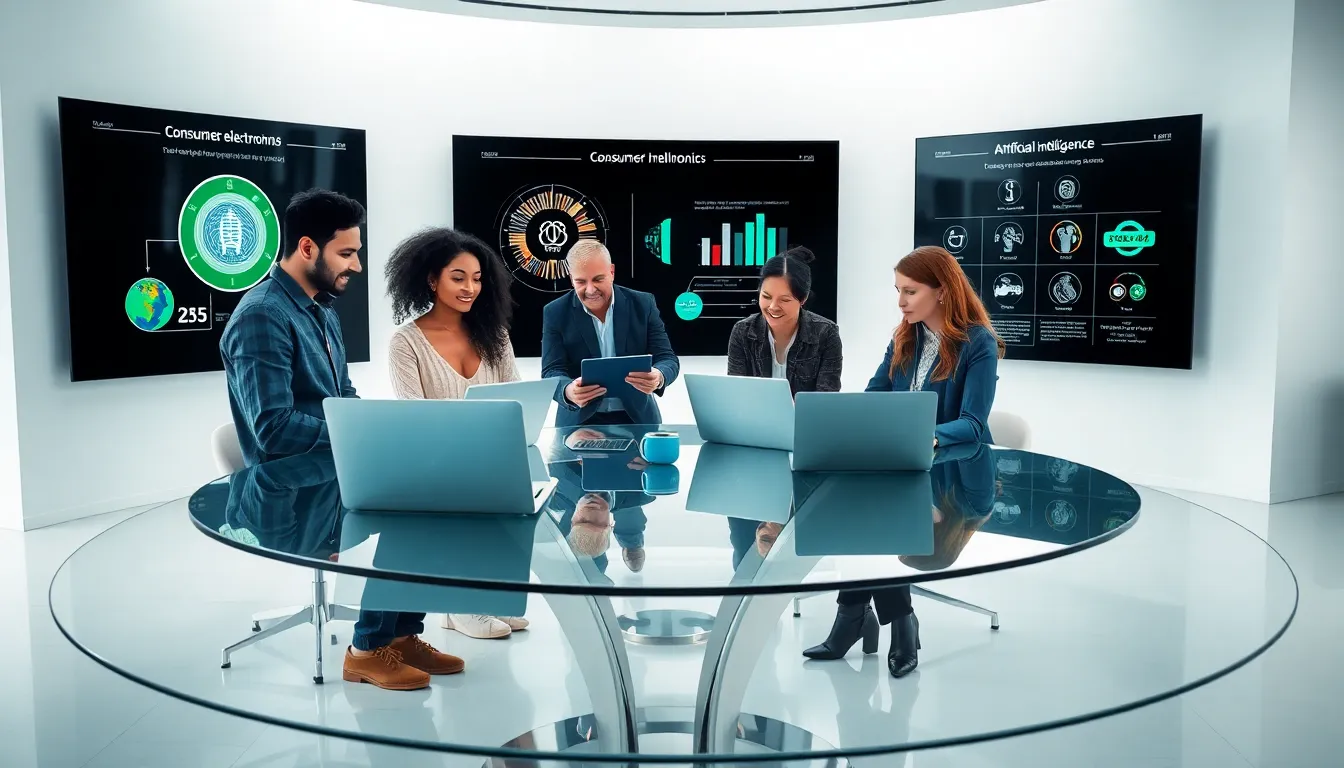
The consumer electronics market is a vast ocean of innovation and competition, teeming with devices that connect people, enhance lifestyles, and redefine how we interact with the world. It encompasses a wide range of products that extend beyond just televisions and smartphones. Think about laptops, tablets, wearable devices, and there are even smart kitchen appliances.
Key Trends Shaping the Industry
From 3D printing to wireless charging, several trends are currently steering the consumer electronics industry. For one, the shift towards sustainability has gained momentum, prompting companies to rethink their materials and manufacturing processes. Meanwhile, advancements in artificial intelligence have led to the production of smarter and more intuitive devices that cater to our every need, sometimes even before we realize we have those needs.
Also, the rise of mobile computing has blurred the lines between professional and personal devices, allowing consumers to work remotely and play just about anywhere. Don’t forget the surge in electric vehicles and the convergence of consumer tech with health and wellness, creating a holistic tech ecosystem.
Major Players in the Consumer Electronics Sector
When it comes to the major players in the consumer electronics sector, names like Apple, Samsung, and Sony often steal the limelight. These companies have not only cemented their presence in the market but have continuously pushed the envelope with their groundbreaking innovations.
Innovations Driving Consumer Electronics
One cannot overlook the relentless pace of innovation that characterizes this industry. Apple’s seamless integration of hardware and software offers an exemplary model, while Samsung’s commitment to OLED technology keeps them at the forefront of visual clarity. From foldable phones to state-of-the-art gaming consoles, significant advancements are undeniably transforming the landscape. Companies are not just launching products: they’re creating experiences that resonate with consumers.
The Rise of Smart Home Devices
Speaking of experiences, let’s not forget the booming category of smart home devices. From smart speakers that control your lights to security systems that alert you when someone approaches your door, these gadgets have proliferated rapidly. The rise of these interconnected devices means consumers can curate environments tailored to their specific lifestyles, enhancing convenience and security.
Sustainability in Consumer Electronics Manufacturing
Sustainability in consumer electronics is not just a buzzword: it has become a defining value for many modern consumers. Society has begun to hold companies accountable for their environmental impact, pushing them toward more responsible practices.
Challenges Facing Consumer Electronics Companies
The challenges are manifold. First, sourcing sustainable materials can be a significant hurdle, often resulting in higher costs. Then there’s the issue of waste management. Electronics contain valuable components, but they also contribute to e-waste, one of the fastest-growing waste streams globally. Manufacturers are faced with the challenging job of reducing this waste while ensuring that their products remain affordable and accessible.
Future Outlook for Consumer Electronics Companies
Looking ahead, the future of consumer electronics companies appears promising yet challenging. With rapid technological advancements and shifting consumer expectations, staying ahead of the curve is essential.
Increased focus on sustainability and ethical sourcing will likely influence purchasing decisions more than ever. Also, as 5G technology rolls out, the possibilities for improved connectivity and functionality in devices are becoming almost limitless. Companies will need to adapt their strategies to harness these changes while keeping consumer interests at the forefront.


