

In a world where gadgets have become as essential as air, the consumer electronics industry stands at the forefront of innovation. Picture this: devices that not only enhance daily living but also make you wonder how you ever lived without them. Who does it better? Well, that’s where consumer electronics companies come in, transforming mere dreams into reality, one sleek device at a time. In this exploration, we’ll dive deep into the major players, emerging brands, and the trends reshaping this dynamic landscape. So, keep your smartphones ready: you won’t want to miss what’s next.
Overview of Consumer Electronics
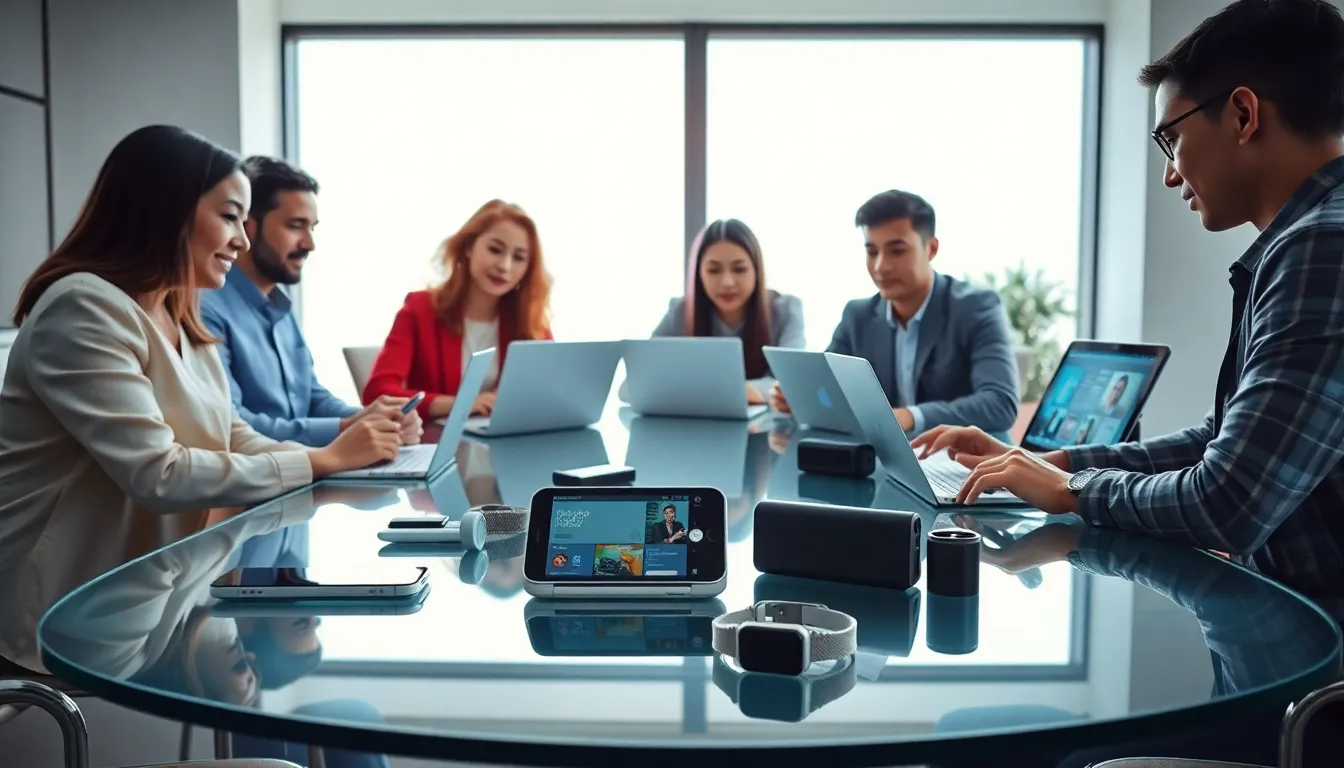
Consumer electronics encompass a broad range of devices designed for everyday use by individuals. These devices can span anything from smartphones and laptops to smart home gadgets and wearable technology. As technology advances, the scope of what qualifies as consumer electronics continues to evolve.
An industry often characterized by rapid changes, consumer electronics illustrates how companies respond to consumer demands and technological advancements. The primary goal remains the same, to enhance convenience and connectivity in consumers’ lives. With an ever-increasing expectation for innovation, these companies strive to stay ahead of the curve, ensuring that what they offer not only meets but exceeds expectations.
Major Players in the Industry
When thinking about titans in the consumer electronics space, names like Apple, Samsung, and Sony instantly come to mind. Apple has carved a niche for itself with its ecosystem of devices, from the iPhone to the MacBook, all seamlessly integrated for an unparalleled user experience. Samsung, on the other hand, shines with its extensive lineup, ranging from cutting-edge televisions to innovative smartphones.
Let’s not forget about Sony, renowned for its audio-visual products and gaming consoles. While many companies produce electronics, the ones that succeed often create products that resonate emotionally with consumers. Their branding, marketing, and attention to design have set standards that others strive to meet.
Emerging Brands to Watch
While established names dominate the landscape, a wave of emerging brands is shaking things up. Companies like OnePlus and Xiaomi are revolutionizing the smartphone market with high-quality devices at more accessible prices. Their rapid growth indicates that consumers are ready to embrace alternatives to the industry giants.
Also, brands focusing on niche products, such as Fitbit in the health and fitness sector or Ring in home security, show how specialization can yield success. These newcomers often leverage social media and influencer marketing, capturing the attention of tech-savvy consumers in ways that older brands may not be as poised to do.
Trends Shaping the Future of Consumer Electronics
The consumer electronics industry doesn’t just follow trends: it sets them. As we look ahead, several trends stand out. For instance, artificial intelligence and machine learning integration is becoming a game-changer, tailoring user experiences on smart devices like never before. Imagine your smartphone understanding your routine and adjusting notifications accordingly: this is not just a wish list item anymore.
Also, the rise of the Internet of Things (IoT) enables seamless connectivity between devices, creating a fully integrated ecosystem within homes. Smart home products such as smart speakers and thermostats are no longer a novelty but rather a necessity for many consumers.
Sustainability is also becoming a priority, influencing how products are designed and manufactured, as consumers become increasingly aware of their environmental impact. Innovations in this sector aren’t merely about being cutting-edge but also about being responsible.
The Impact of Technology on Consumer Electronics
Technology is the lifeblood of the consumer electronics industry. Rapid advancements in areas like semiconductor manufacturing and display technology dictate what devices can do. Innovations such as OLED displays, 5G connectivity, and advanced sensors have made devices not only more powerful but also more versatile.
The impact is profound, particularly in areas such as gaming, where the power of graphics processing units (GPUs) dictates the quality of the gaming experience. Also, augmented reality (AR) and virtual reality (VR) are transforming how consumers interact with devices, paving the way for immersive experiences previously thought impossible.
Sustainability and Consumer Electronics Companies
As awareness of environmental issues increases, consumer electronics companies are under pressure to adopt sustainable practices. From the materials used in production to the longevity of devices and recycling programs, companies are taking steps to reduce their carbon footprint.
Brands like Apple are already leading the way by committing to using recycled materials and striving for carbon neutrality in their supply chain. Not only does this resonate with eco-conscious consumers, but it also sets a precedent for other companies to follow. The conversation surrounding sustainability is not just a trend: it’s an integral part of the future of consumer electronics.


